Who Made You the Tastemaker?
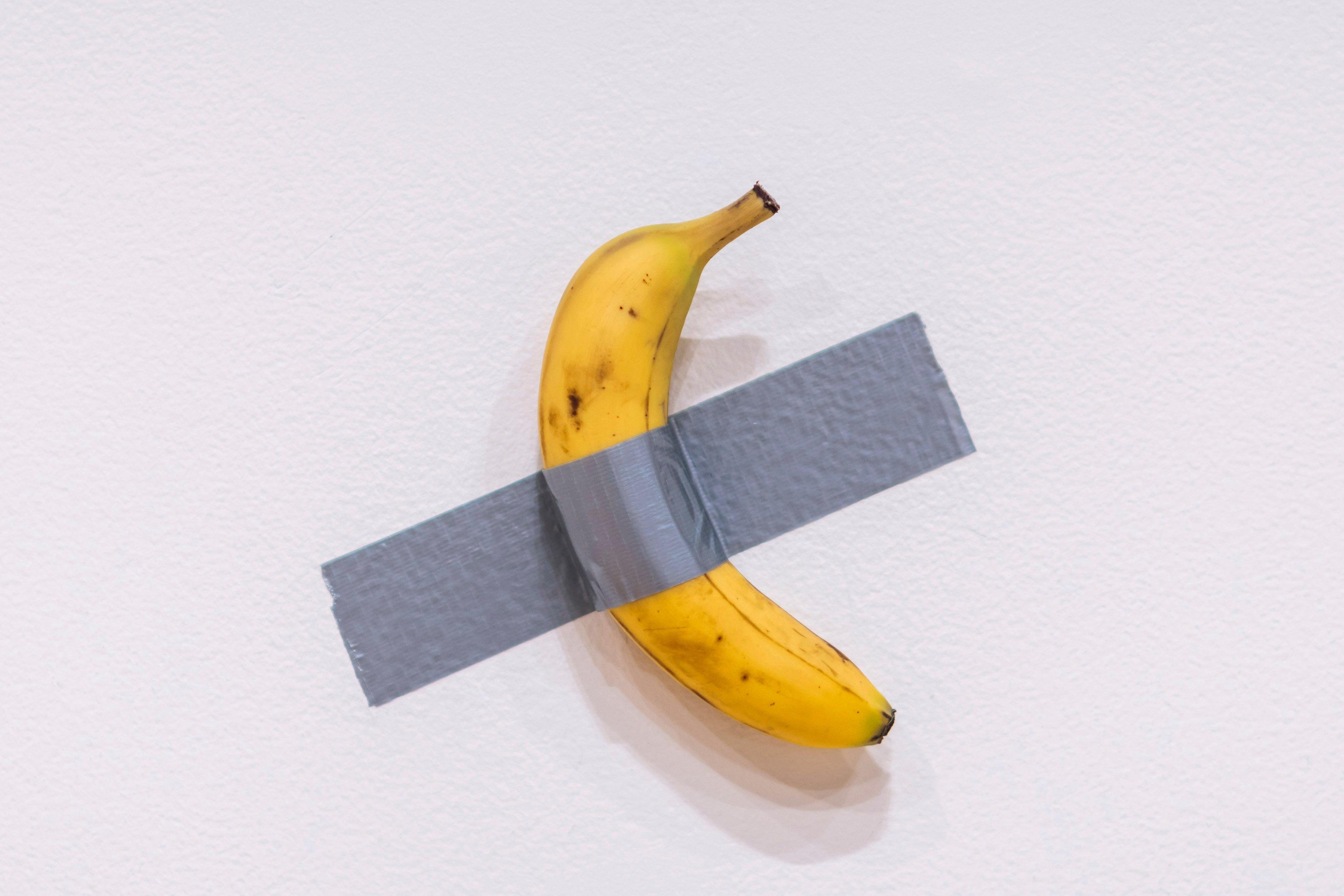
Maurizio Cattelan, Comedian (2019). The conceptual artwork challenges conventional ideas of artistic value, cultural authority, and what we consider worthy of admiration.
By Alvin Wayne, Editor-at-Large
What does it actually mean to have good taste? Is it something we're born with, something we develop over time, or something money can buy? And perhaps the bigger question is, who gets to decide what's considered good taste in the first place?
We throw the word taste around so casually. We use it to describe everything from the clothes people wear and the art they collect to the restaurants they frequent and the homes they live in. But what makes one person's choices more tasteful than another's? Is it their eye, their access, their confidence, or simply the influence they have over others?
Taste is something I've always been fascinated by. I've walked into homes filled with expensive furniture that somehow lacked personality, and I've been in spaces where almost nothing cost much, yet everything felt intentional. I've seen people make the simplest things look extraordinary, while others have every luxury at their fingertips and still seem to be missing something.
And now, in a world where everyone seems to be a tastemaker, social media has added another layer to the conversation. We're constantly being told what's chic, what's dated, and what's worth having. But how much of what we call good taste is genuinely personal, and how much of it is shaped by what we're told to like?
The more I thought about it, the more I realized that taste isn't just about what we choose. It's about why we choose it, the influences behind those decisions, and the confidence to stand by them. And maybe, before we start calling someone a tastemaker, we should first ask ourselves what having good taste actually means.
Can Taste Be Bought?
We live in a culture where luxury is often mistaken for taste. The assumption is that access to the right designers, galleries, restaurants, and brands automatically means you have good taste. But having money and knowing how to spend it are two very different things.
I don't believe taste can be bought. However, I do believe money can give you the freedom to express the taste you've always had.
There are people with incredible eyes who haven't always had the financial means to buy what they love. They've spent years thrifting, improvising, and finding creative ways to make things work. When their circumstances change and they can finally afford that designer piece or original artwork, does that suddenly make their taste less authentic?
Of course not. The eye was always there. The budget just caught up.
Phillip Collins, founder of Good Black Art, shares a similar perspective. For him, taste is an authentic way of seeing the world, something innate that develops into a visual language when nurtured.
He recalls attending a gala wearing an all-black look with an asymmetric wrap jacket. When another guest complimented the jacket and asked where it was from, Collins told him it was Urban Outfitters. The man's response? "Oh, you've got the eye."
I love that story because it captures something we tend to forget. The jacket didn't need a luxury label to make an impression. It was about recognizing something interesting and having the confidence to wear it.
Carolyn Gray, fashion stylist and editor, also believes taste cannot be bought. Her approach to fashion is rooted in developing an eye and understanding what genuinely appeals to you, rather than automatically purchasing whatever happens to be trending.
And perhaps that's where the real distinction lies. Money can buy the object, but it can't necessarily buy the instinct behind choosing it.
Who Gets to Decide?
Historically, taste has been closely tied to class, wealth, and access. Certain institutions, publications, designers, and cultural figures have been given the authority to determine what's considered sophisticated or desirable.
But who gave them that authority?
Take Maurizio Cattelan's Comedian, the now-famous banana duct-taped to a wall. When the artwork debuted at Art Basel Miami Beach in 2019, it sparked conversations about what constitutes art and who gets to determine its value. In 2024, an edition sold at Sotheby's for $6.24 million.
A banana. Duct tape. Millions of dollars.
It's fascinating when you think about it. Is the value in the object itself, the artist's vision, the institution presenting it, or the person willing to pay for it? And if someone had taped that same banana to their kitchen wall, would we be having the same conversation?
That's what makes the relationship between taste, money, and cultural influence so interesting. Sometimes it's not the object that changes. It's who's telling us that it matters.
Phillip Collins, founder of Good Black Art, encourages new art collectors to begin with their own stories before considering artists, galleries, or market trends. The art someone chooses, how it's displayed, and the stories behind those decisions can reveal far more about a person than the amount they've spent.
I've always believed the most interesting homes tell you something about the people who live in them. Whether it's a painting discovered while traveling, a chair inherited from a grandparent, or something unexpected found at a flea market, those personal choices are what make a space memorable.
Carolyn Gray, fashion stylist and editor, approaches personal style with a similar sense of individuality, but she also makes an interesting case for keeping certain discoveries to yourself. In a world where everything is immediately shared, she believes "a healthy amount of gatekeeping is necessary."
And I can understand that.
There's something special about discovering a designer, artist, or object on your own. Not everything needs to become a recommendation, a shopping link, or the next viral trend.
Has Social Media Changed Our Taste?
Social media has made inspiration more accessible than ever. We can discover artists across the world, explore extraordinary homes, and learn about design, fashion, and culture from people whose perspectives were once excluded from traditional media.
But there's another side to it.
When we're all consuming the same images, following the same accounts, and being served the same trends, it's easy to confuse what we genuinely love with what we've simply seen enough times to start wanting.
Collins believes social media has largely homogenized the way we dress, decorate, and collect. The same outfits, interiors, and objects appear again and again. Yet he also acknowledges its value. Many of the artists he's worked with or collected were first discovered through his phone.
Gray sees the influence of trends firsthand. She follows runway collections closely, often identifying pieces she loves months before they become widely available. But when something becomes particularly trendy, she's learned to slow down.
She recalls purchasing an inexpensive alternative to a trending item before committing to the original, giving herself time to determine whether she genuinely liked it or was simply caught up in the moment.
It's a distinction I think more of us could benefit from making.
Do we actually love something, or do we just love seeing it everywhere?
Social media can expand our taste, but it can also narrow it. Inspiration should be a starting point, not a set of instructions.
So, What Makes Someone a Tastemaker?
Having great taste and being a tastemaker aren't necessarily the same thing.
You can have an extraordinary eye and never share it with the world. A tastemaker takes that personal point of view and puts it into the world in a way that influences how other people see things.
Collins believes the distinction is surprisingly simple. Both may possess the same innate gift, but a tastemaker builds something around that sensibility, whether it's a business, a platform, or a public presence.
"The difference is how loudly you share it."
For Gray, authenticity is equally important. The people whose taste she respects know what they like and don't pretend otherwise. As she puts it, they "don't fake the funk."
I think there's truth in both perspectives.
The best tastemakers don't simply tell people what to like. They introduce us to things we might not have discovered otherwise. They challenge how we see the world and, most importantly, leave room for us to decide for ourselves.
The older I get, the more I realize taste has less to do with approval and more to do with confidence. It's knowing what you love, even when no one else understands it. It's mixing something expensive with something inexpensive. It's appreciating beautiful things without feeling obligated to own them.
I don't think we need more people telling us what to like. I think we need more people willing to figure out what they actually love.
Because if everyone is following the same tastemakers, buying the same furniture, wearing the same clothes, and collecting the same things, where does individuality come in?
Maybe the real question isn't who made someone a tastemaker. Maybe it's why we've become so comfortable letting someone else decide what good taste looks like.
PRODUCTION
Words by
Alvin Wayne
Photography
Cindy Ord/Getty Images