Styling is Authorship

By Cameron Hardison

Expensive clothes don't matter; it's how you wear the clothes.


The more interesting claim, the one worth actually sitting with, is this.

It's a form of authorship. Authorship implies something money never can.


A point of view, repeated and refined over time, that becomes recognizable as you. The most compelling personal style carries a sense of familiarity. Even as individual looks evolve, a recognizable point of view connects them, almost like chapters in a continuing story.


Each expression offers something different while remaining unmistakably connected to the person wearing it. Access to fashion and the ability to develop a distinct visual identity are two different things. The latter comes from an understanding of proportion, composition, and the details that make someone's personal style immediately recognizable.


You know a Wes Anderson frame before the plot tells you anything. You know a Rick Owens silhouette from across a room.


That recognizability isn't about what was purchased.

This is where the brilliance of WISDM Kaye and his virality gets more interesting than "thrift flip goes viral."


The internet's assumption that he was a designer or stylist wasn't a misunderstanding. It was, in a strange way, correct.

He was designing and styling. He was constructing a visual identity through styling decisions, working not with fabric but with the relationships between pieces: proportion, tension, and the visual grammar of what goes next to what.


Through the interplay of silhouettes, patterns, and textures, and through unexpected combinations, individual pieces became a cohesive look. The authorship was the decision, executed with consistency that people mistook consistency for a design house. Before gaining access to the resources and opportunities he has today, WISDM was already showing how everyday clothing could become a vehicle for creative expression. His earliest posts featured affordable pieces, and the emotion in them came from the way he put them together.


We tend to associate style with variety, whether a new look, a new outfit, or constant reinvention, and that instinct is only human. But the same colors and silhouette, reworked, and the same pieces, recontextualized in different ways, show that repetition isn't a limitation forced by a small closet.


A sentence you've only said once isn't a philosophy. A sentence you keep returning to, with small variations, starts to sound like you're building a world.

A workwear jacket styled for a black-tie moment, or a slip dress worn with structure rather than soft fabrics, shows how a piece changes meaning depending on its surroundings. That is where the power of styling lives.


Which gets at the real question: in a culture that equates value with newness, is the most compelling style about what someone can acquire, or what someone can construct?


Give someone five pieces and a real question about how they relate to each other, and you get editing. But limited resources aren't the only catalyst for creativity, and they guarantee nothing. Creativity isn't determined by money or its absence, but by taste, creative discernment, and the ability to craft a compelling visual narrative through fashion.


Styling is a practice, and an art form. Like any craft, it develops through repetition: making choices, noticing what works, and refining until a point of view emerges. It asks for an eye for proportion, a feel for composition, and the discipline to edit.


WISDM Kaye didn't go viral simply because thrifted clothes can look expensive when arranged well. He went viral because he wrote his creative language again and again. Applied consistently, that intelligence reads as authorship.


The lesson reaches beyond any one person: style is something you practice until it becomes your own voice.

Credits

PRODUCTION

Words by

Cameron Hardison

ART.DESIGN.CULTURE.INTENTION.

ART.DESIGN.CULTURE.INTENTION.

ART.DESIGN.CULTURE.INTENTION.

Styling is Authorship

By Cameron Hardison

Expensive clothes don't matter; it's how you wear the clothes.


The more interesting claim, the one worth actually sitting with, is this.

It's a form of authorship. Authorship implies something money never can.


A point of view, repeated and refined over time, that becomes recognizable as you. The most compelling personal style carries a sense of familiarity. Even as individual looks evolve, a recognizable point of view connects them, almost like chapters in a continuing story.


Each expression offers something different while remaining unmistakably connected to the person wearing it. Access to fashion and the ability to develop a distinct visual identity are two different things. The latter comes from an understanding of proportion, composition, and the details that make someone's personal style immediately recognizable.


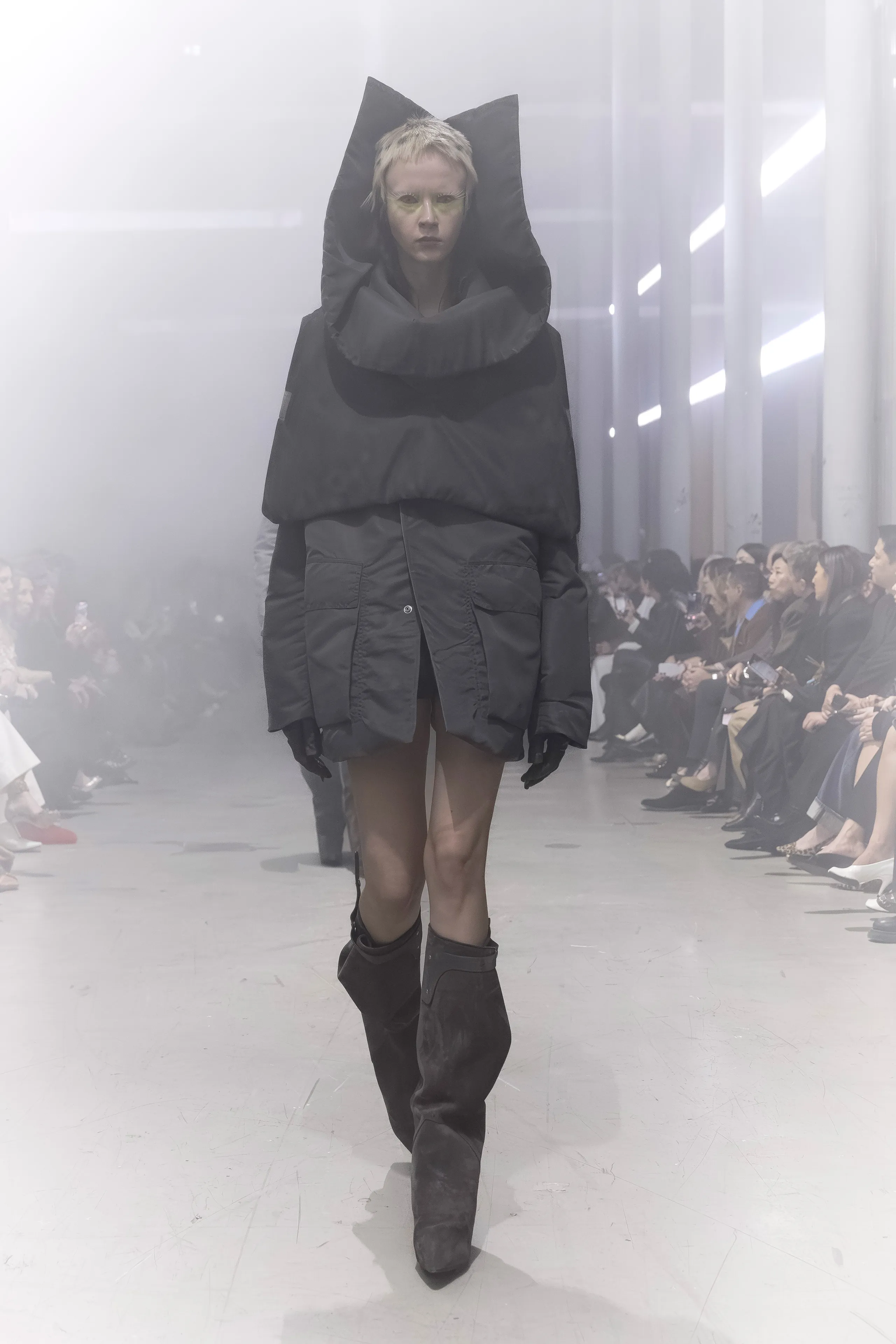
You know a Wes Anderson frame before the plot tells you anything. You know a Rick Owens silhouette from across a room.


That recognizability isn't about what was purchased.
This is where the brilliance of WISDM Kaye and his virality gets more interesting than "thrift flip goes viral."


The internet's assumption that he was a designer or stylist wasn't a misunderstanding. It was, in a strange way, correct.

He was designing and styling. He was constructing a visual identity through styling decisions, working not with fabric but with the relationships between pieces: proportion, tension, and the visual grammar of what goes next to what.


Through the interplay of silhouettes, patterns, and textures, and through unexpected combinations, individual pieces became a cohesive look. The authorship was the decision, executed with consistency that people mistook consistency for a design house. Before gaining access to the resources and opportunities he has today, WISDM was already showing how everyday clothing could become a vehicle for creative expression. His earliest posts featured affordable pieces, and the emotion in them came from the way he put them together.


We tend to associate style with variety, whether a new look, a new outfit, or constant reinvention, and that instinct is only human. But the same colors and silhouette, reworked, and the same pieces, recontextualized in different ways, show that repetition isn't a limitation forced by a small closet.


A sentence you've only said once isn't a philosophy. A sentence you keep returning to, with small variations, starts to sound like you're building a world.

A workwear jacket styled for a black-tie moment, or a slip dress worn with structure rather than soft fabrics, shows how a piece changes meaning depending on its surroundings. That is where the power of styling lives.


Which gets at the real question: in a culture that equates value with newness, is the most compelling style about what someone can acquire, or what someone can construct?


Give someone five pieces and a real question about how they relate to each other, and you get editing. But limited resources aren't the only catalyst for creativity, and they guarantee nothing. Creativity isn't determined by money or its absence, but by taste, creative discernment, and the ability to craft a compelling visual narrative through fashion.


Styling is a practice, and an art form. Like any craft, it develops through repetition: making choices, noticing what works, and refining until a point of view emerges. It asks for an eye for proportion, a feel for composition, and the discipline to edit.


WISDM Kaye didn't go viral simply because thrifted clothes can look expensive when arranged well. He went viral because he wrote his creative language again and again. Applied consistently, that intelligence reads as authorship.


The lesson reaches beyond any one person: style is something you practice until it becomes your own voice.

Credits

PRODUCTION

Words by

Cameron Hardison

ART.DESIGN.CULTURE.INTENTION.

ART.DESIGN.CULTURE.INTENTION.

ART.DESIGN.CULTURE.INTENTION.