CARRYING CULTURE FORWARD: K'AB JUUN ON CRAFTSMANSHIP & THE STORIES BEHIND THEM

Words by Alvin Wayne

Photos provided by K'ab Juun

There is a difference between selling art and building a platform for artists.

The former is transactional. The latter requires trust, patience, and a belief that great work deserves to travel beyond the place where it was created. That's what makes K'ab Juun so compelling. It isn't simply introducing contemporary Mexican artists and designers to New York. It's creating lasting relationships between makers, collectors, and a city that has always thrived on cultural exchange.

Walk through the gallery and you're immediately immersed in a carefully considered world of contemporary Mexican design. Sculptural furniture, handcrafted ceramics, lighting, textiles, and collectible objects, each created by Mexican artists or makers whose work is deeply connected to Mexican culture, come together in a way that feels both intentional and personal. Framing it all is the gallery itself. Limewashed walls, brass thresholds, and a restrained material palette quietly allow every object to command its own presence. Every detail feels considered. Nothing feels precious. It's a space that invites curiosity as much as admiration.

Spend a little more time there and it becomes clear that K'ab Juun isn't asking visitors to simply admire beautiful objects. It invites them to understand the stories behind them. The generations of craftsmanship, the evolving language of contemporary Mexican design, and the artists shaping what Mexican design looks like today.

That feels especially relevant at a moment when Mexican design has become one of the most influential voices in the global design conversation. Designers continue to look toward Mexico not only for its extraordinary material traditions, but for its enduring relationship with craftsmanship, community, and a profound sense of place. What has allowed that influence to resonate isn't nostalgia. It's evolution. Contemporary Mexican artists and designers are honoring generations of knowledge while confidently pushing their disciplines forward, proving that tradition and innovation are not opposing ideas, but complementary ones.

K'ab Juun sits at the center of that evolution, but the gallery's story begins long before its doors opened in New York. It begins with its name.

Derived from the Mayan language, K'ab Juun combines the words for "hands" and "unique," a reflection of the gallery's belief that every piece carries the mark of its maker. Every object tells the story of the hands that shaped it, the materials that define it, and the generations of knowledge passed down to create something entirely one of a kind.

Founder Ilana Goldberg spent months searching for a name that could communicate that philosophy. Rather than choosing something in Spanish or English, she wanted a name that would invite curiosity. If someone asked what K'ab Juun meant, the conversation had already begun.

"We believe everything we show is one of a kind," Goldberg tells me. "Every piece carries the hands of the maker. That's just as important as the finished object."

That idea has shaped Goldberg's career for years. As an interior designer in Mexico, she built close relationships with an emerging generation of designers working alongside artisans throughout the country. She watched contemporary furniture, lighting, ceramics, textiles, and collectible objects come to life through techniques that had been practiced for generations. The work felt undeniably modern, but it never lost sight of where it came from.
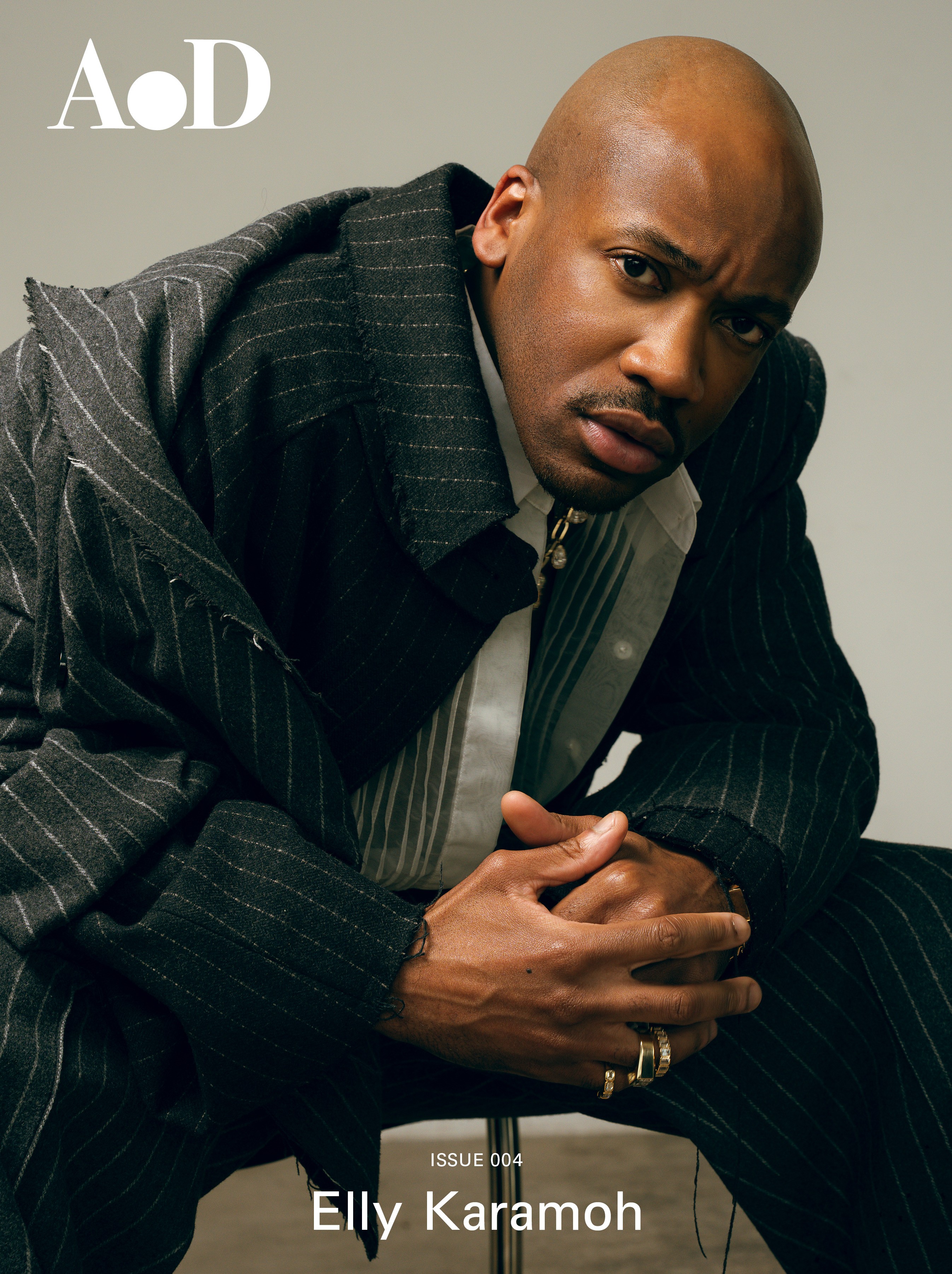
Continue reading in print

Issue 004

The full story continues in this limited print edition.

Buy the print issue

Credits

PRODUCTION

Words by

Alvin Wayne

Photography

K'ab Juun

ART.DESIGN.CULTURE.INTENTION.

ART.DESIGN.CULTURE.INTENTION.

ART.DESIGN.CULTURE.INTENTION.

CARRYING CULTURE FORWARD: K'AB JUUN ON CRAFTSMANSHIP & THE STORIES BEHIND THEM

Words by Alvin Wayne

Photos provided by K'ab Juun

There is a difference between selling art and building a platform for artists.

The former is transactional. The latter requires trust, patience, and a belief that great work deserves to travel beyond the place where it was created. That's what makes K'ab Juun so compelling. It isn't simply introducing contemporary Mexican artists and designers to New York. It's creating lasting relationships between makers, collectors, and a city that has always thrived on cultural exchange.

Walk through the gallery and you're immediately immersed in a carefully considered world of contemporary Mexican design. Sculptural furniture, handcrafted ceramics, lighting, textiles, and collectible objects, each created by Mexican artists or makers whose work is deeply connected to Mexican culture, come together in a way that feels both intentional and personal. Framing it all is the gallery itself. Limewashed walls, brass thresholds, and a restrained material palette quietly allow every object to command its own presence. Every detail feels considered. Nothing feels precious. It's a space that invites curiosity as much as admiration.

Spend a little more time there and it becomes clear that K'ab Juun isn't asking visitors to simply admire beautiful objects. It invites them to understand the stories behind them. The generations of craftsmanship, the evolving language of contemporary Mexican design, and the artists shaping what Mexican design looks like today.

That feels especially relevant at a moment when Mexican design has become one of the most influential voices in the global design conversation. Designers continue to look toward Mexico not only for its extraordinary material traditions, but for its enduring relationship with craftsmanship, community, and a profound sense of place. What has allowed that influence to resonate isn't nostalgia. It's evolution. Contemporary Mexican artists and designers are honoring generations of knowledge while confidently pushing their disciplines forward, proving that tradition and innovation are not opposing ideas, but complementary ones.

K'ab Juun sits at the center of that evolution, but the gallery's story begins long before its doors opened in New York. It begins with its name.

Derived from the Mayan language, K'ab Juun combines the words for "hands" and "unique," a reflection of the gallery's belief that every piece carries the mark of its maker. Every object tells the story of the hands that shaped it, the materials that define it, and the generations of knowledge passed down to create something entirely one of a kind.

Founder Ilana Goldberg spent months searching for a name that could communicate that philosophy. Rather than choosing something in Spanish or English, she wanted a name that would invite curiosity. If someone asked what K'ab Juun meant, the conversation had already begun.

"We believe everything we show is one of a kind," Goldberg tells me. "Every piece carries the hands of the maker. That's just as important as the finished object."

That idea has shaped Goldberg's career for years. As an interior designer in Mexico, she built close relationships with an emerging generation of designers working alongside artisans throughout the country. She watched contemporary furniture, lighting, ceramics, textiles, and collectible objects come to life through techniques that had been practiced for generations. The work felt undeniably modern, but it never lost sight of where it came from.

Continue reading in print

Issue 004

The full story continues in this limited print edition.

Buy the print issue

Credits

PRODUCTION

Words by

Alvin Wayne

Photography

K'ab Juun

ART.DESIGN.CULTURE.INTENTION.

ART.DESIGN.CULTURE.INTENTION.

ART.DESIGN.CULTURE.INTENTION.