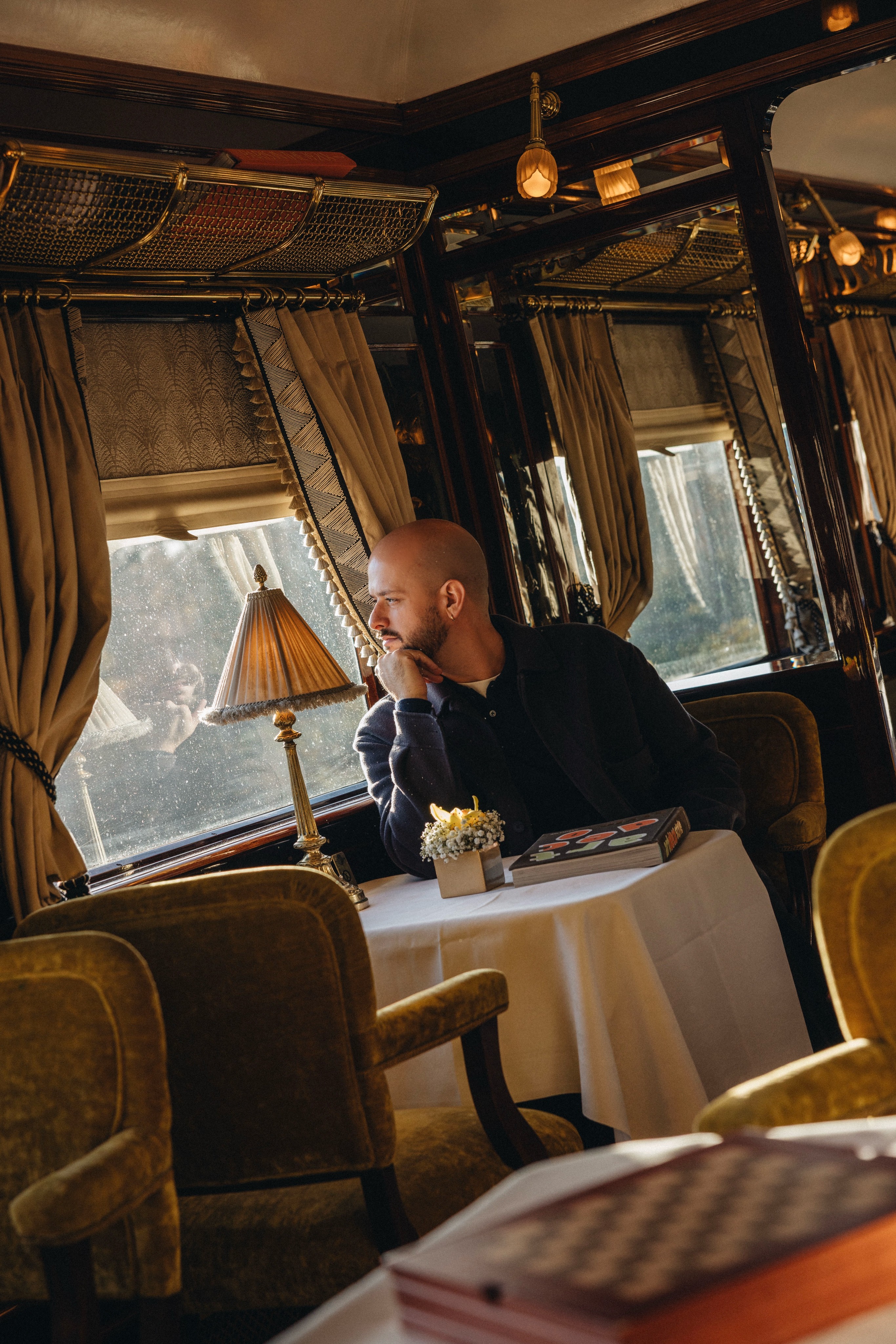
Inside the World of "Spaces of My Dreams"
Trenton Chase Pardue
Interview By: Alvin Wayne
April 2026
As an interior designer, I spend my days thinking about how spaces shape the way we live, feel, and connect. So, when I come across a platform that approaches interiors with both emotional depth and a sharp editorial eye, I pay attention.
I’ve long been inspired by Trenton Chase Pardue’s work through Spaces of My Dreams — from his Instagram to his Substack — where the conversation around home feels more intentional, more personal, and refreshingly human.
Having spent so much time inside other people’s dream spaces, I was especially excited to sit down with Trenton to better understand the why behind the platform, the instincts that guide his eye, and what continues to shape his point of view.

AoD: Before Spaces of My Dreams became what it is today, what emotional or intellectual void were you personally trying to fill and how has that evolved as the platform has grown?
Trenton: Before starting Spaces of My Dreams, I was craving a place where design could be explored not just visually, but emotionally and culturally. I had spent years working alongside designers and creatives, and I felt there was often a gap between the beautiful images people consumed online and the deeper stories behind those spaces.
In the beginning, the platform was very much a personal archive — a way for me to collect and reflect on places that moved me. Over time, it’s evolved into something more expansive. What started as personal curation has grown into a global platform where storytelling, travel, architecture, and culture intersect. The core intention hasn’t changed, though: to share spaces that make you feel something and invite people to look at design with more curiosity and depth.
AoD: When you’re deciding whether to feature a home or space, what are your non-negotiables? Is it emotional resonance, visual impact, cultural relevance or something more instinctive?
Trenton: It’s instinctive first — there has to be an emotional pull. I often say I’m looking for spaces that have a point of view. That might come through in the architecture, the history of the place, or the personality of the person who lives there. Visual impact matters, of course, but I’m less interested in perfection and more interested in atmosphere. A space that feels lived in, layered, and connected to a broader cultural context will always resonate more than something that’s simply “beautiful.” Ultimately, I’m asking myself one question: does this space tell a story worth sharing?
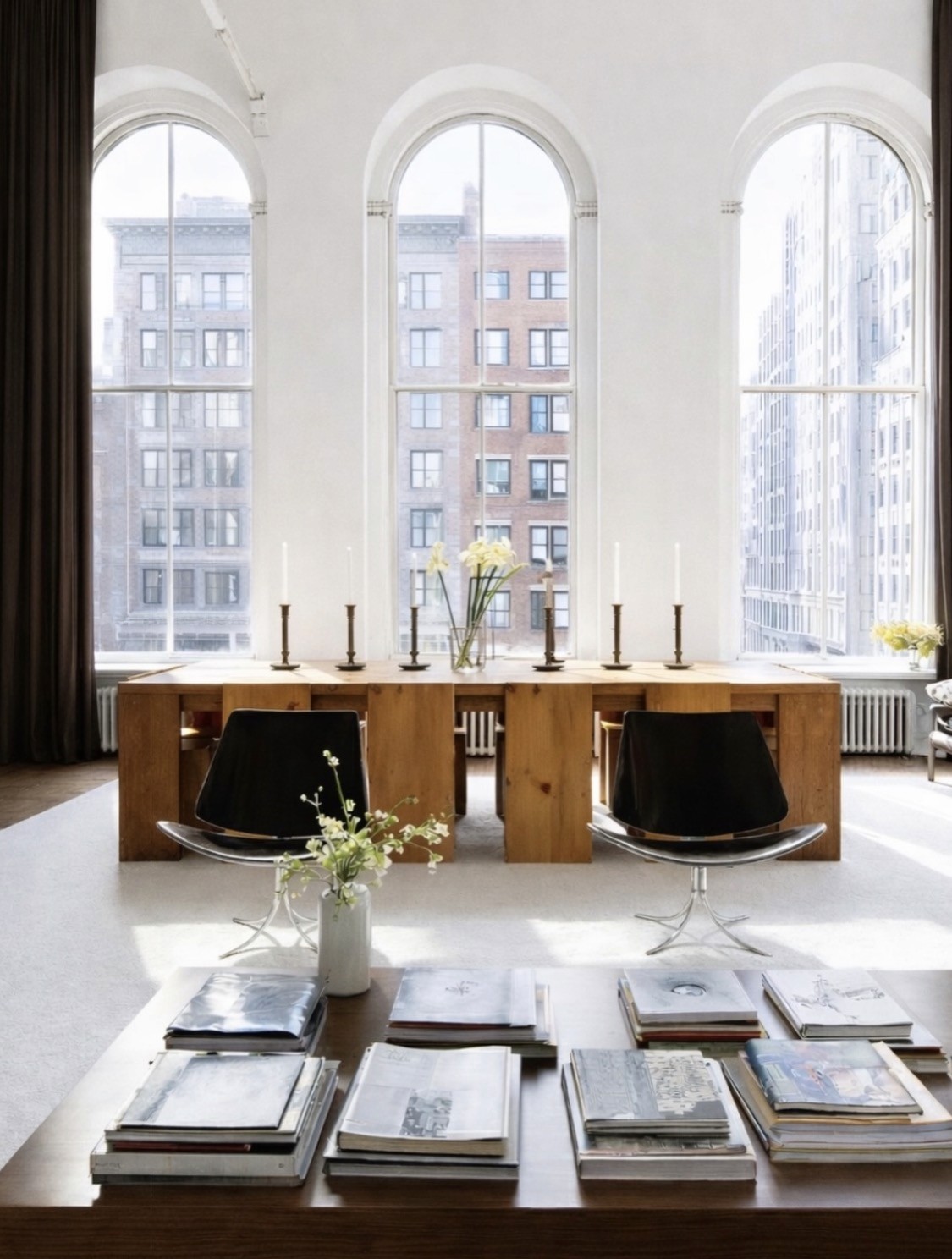
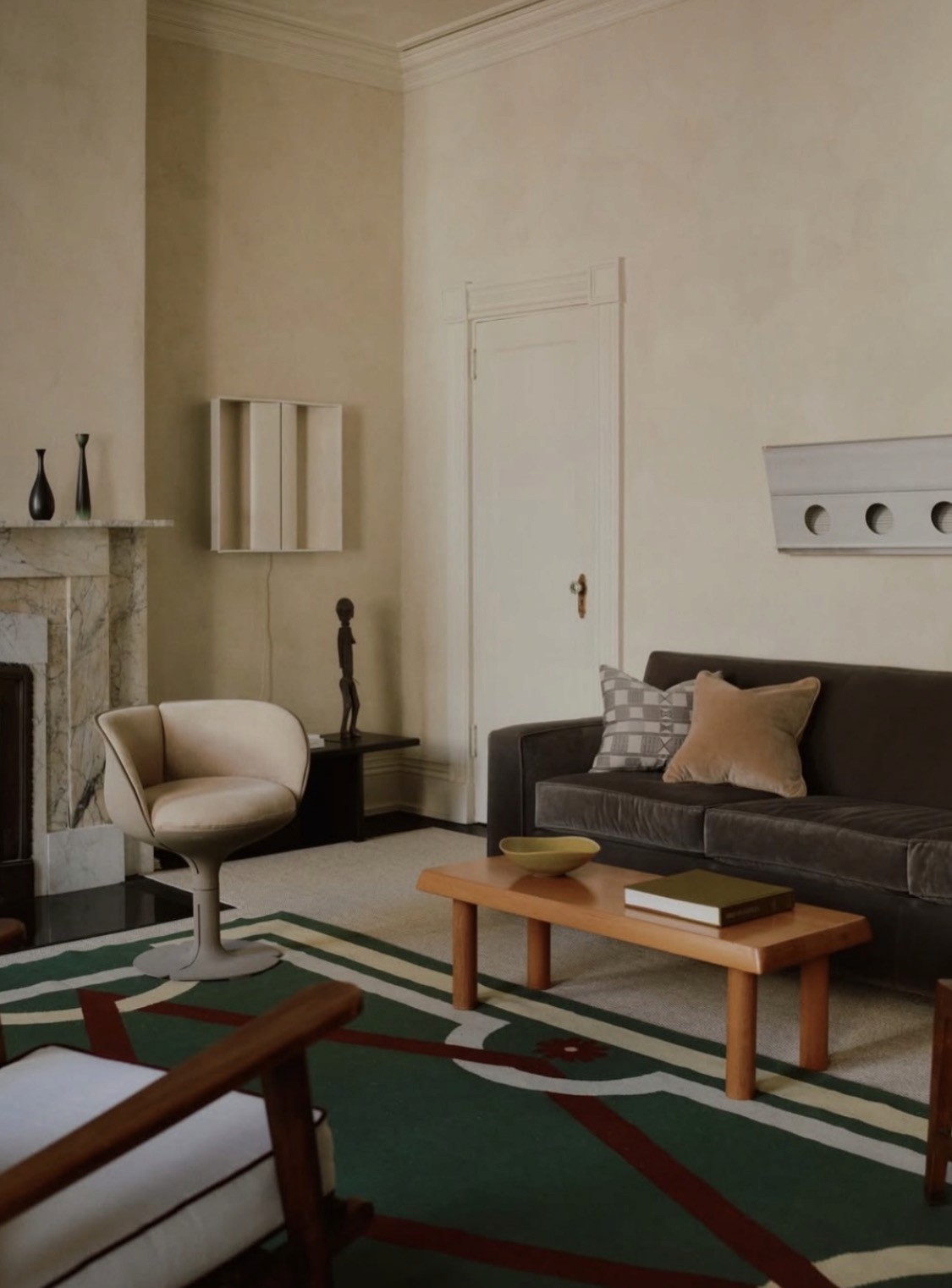
AoD: Your work suggests you read spaces almost emotionally. What early experience most shaped that sensitivity?
Trenton: I think it came from being surrounded by creative environments early in my career. Working with designers and spending time inside the homes and studios of people who truly live through design made me realize that spaces are deeply personal narratives. A room can reveal how someone thinks, what they collect, what they care about, and even how they move through the world. That perspective stayed with me. I stopped looking at interiors as static compositions and started seeing them as reflections of identity and culture.
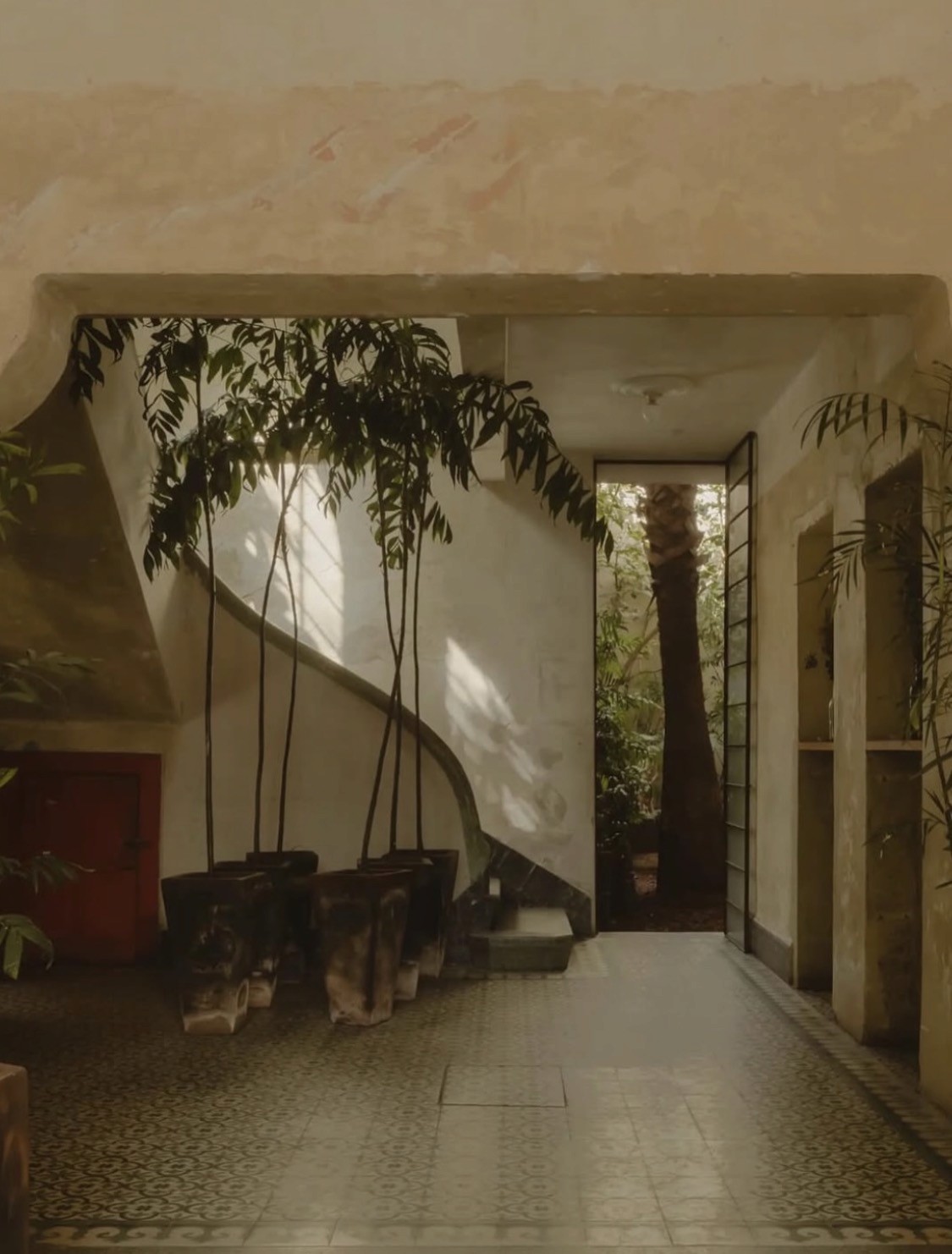
AoD: When you encounter a space or creator for the first time, what’s the intangible signal that tells you, “This belongs in my world”?
Trenton: It’s usually a feeling of authenticity. The spaces that stay with me are the ones that feel inevitable — like they couldn’t exist any other way because they’re so aligned with the person behind them. Sometimes it’s a small detail: an unusual object, an unexpected color choice, or a way light moves through the room. Those moments tell you that someone was thinking beyond trends. When I feel that sense of intention and individuality, I know it belongs within the world of Spaces of My Dreams.
AoD: Your platform lives across Instagram and Substack, yet the tone always feels intentional rather than purely algorithm driven. How do you think about using social media as a curatorial tool versus simply a distribution channel?
Trenton: I try to think of Instagram and Substack as two parts of the same editorial ecosystem. Instagram is where the visual discovery happens — it’s immediate and communal. Substack allows me to slow down and give context through longer storytelling. For me, social media isn’t just distribution; it’s a form of curation. Every post is part of a larger narrative about how we experience spaces and design. The goal is to maintain a clear point of view so that even within a fast-moving platform, the voice of the project remains consistent and intentional.
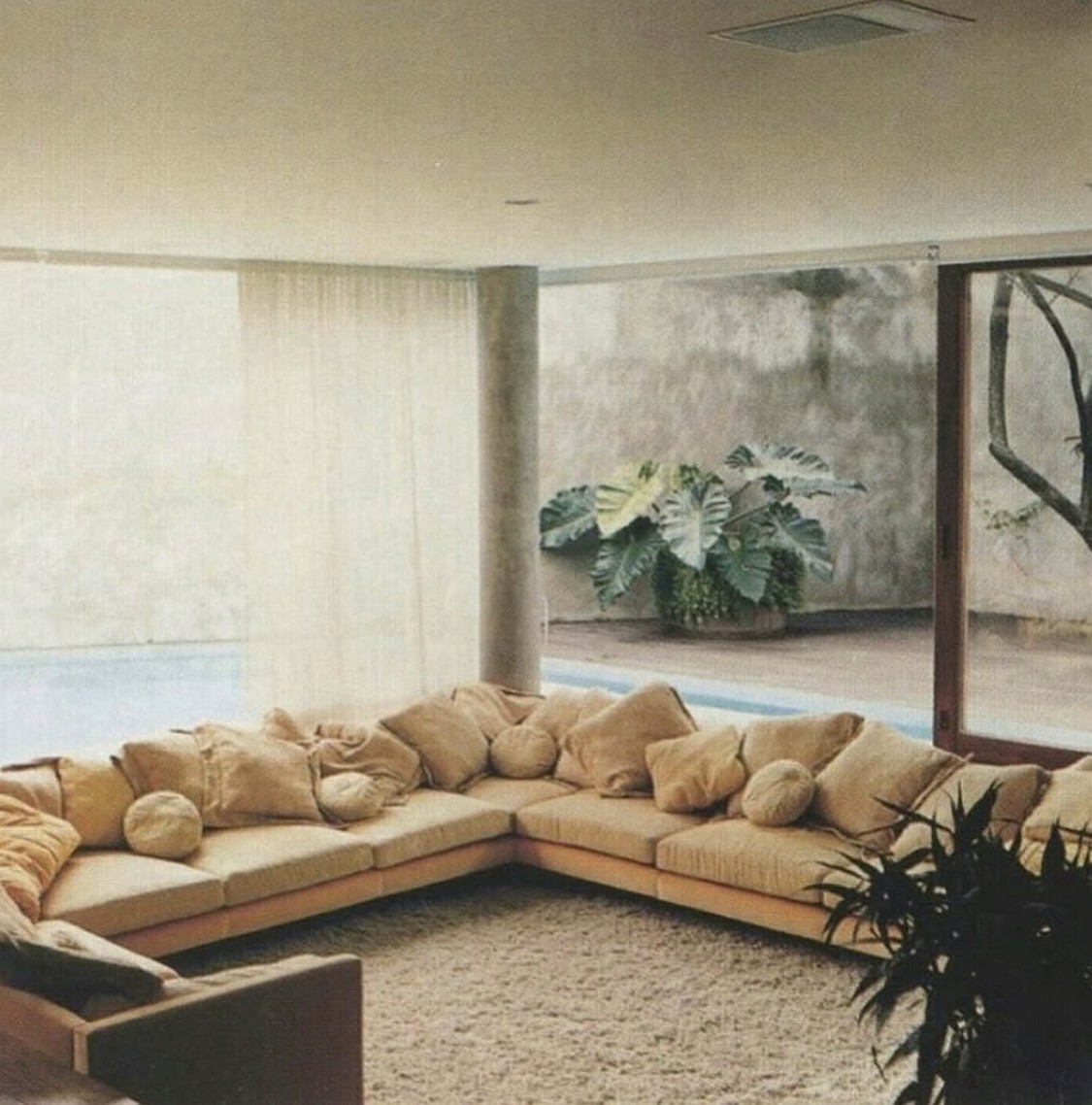
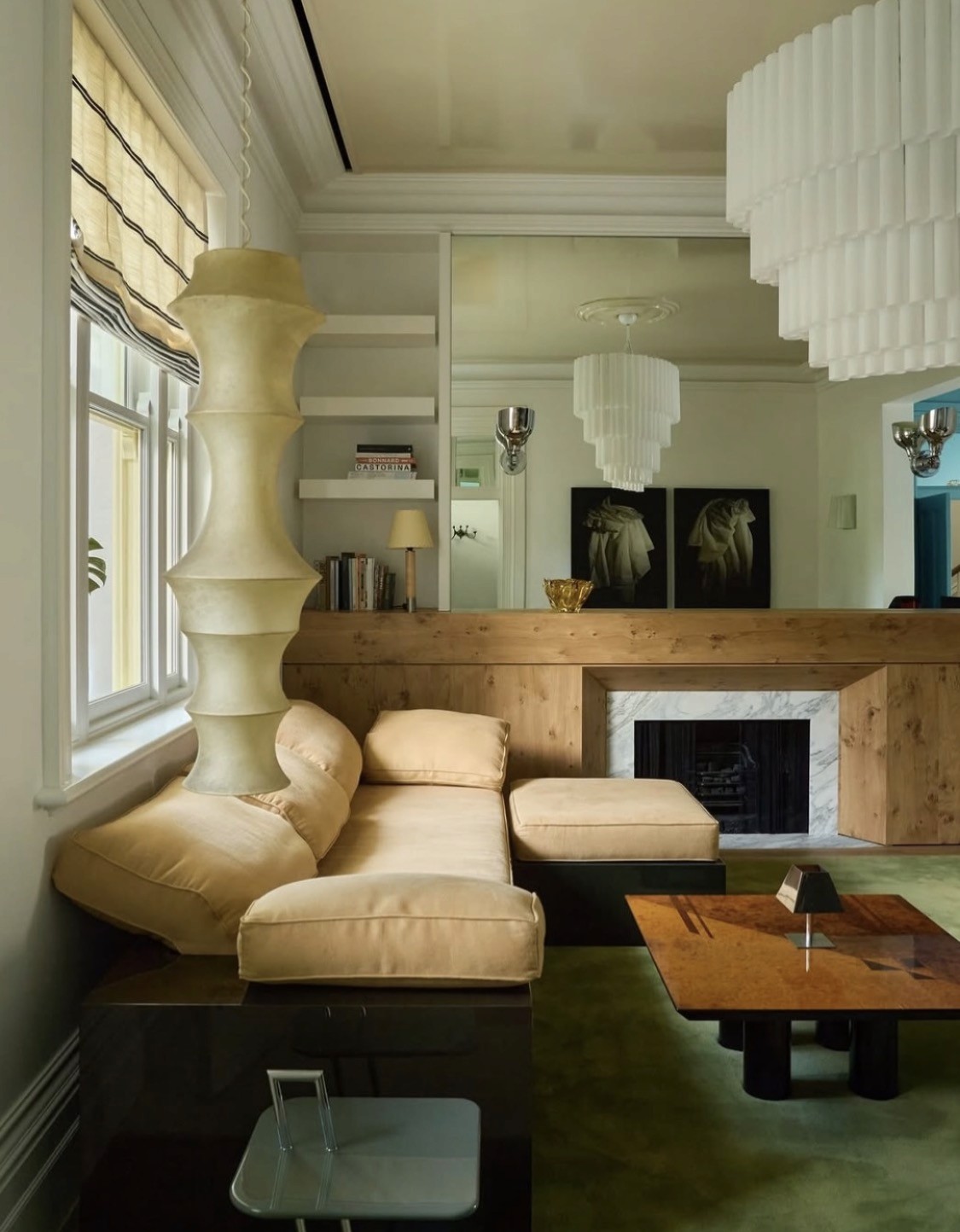
AoD: In a digital world saturated with beautiful interiors, what responsibility do you feel — if any — to shape not just what people see, but what they value in design?
Trenton: I do think there’s a responsibility there. When everything online starts to look the same, the role of curation becomes more important. For me, that means highlighting spaces that feel thoughtful, personal, and culturally rooted rather than just aesthetically pleasing. I want people to value the story behind a space — the craft, the history, the individuality — not just the surface image. If Spaces of My Dreams can encourage people to look a little deeper and appreciate design as part of culture rather than just decoration, that feels meaningful.
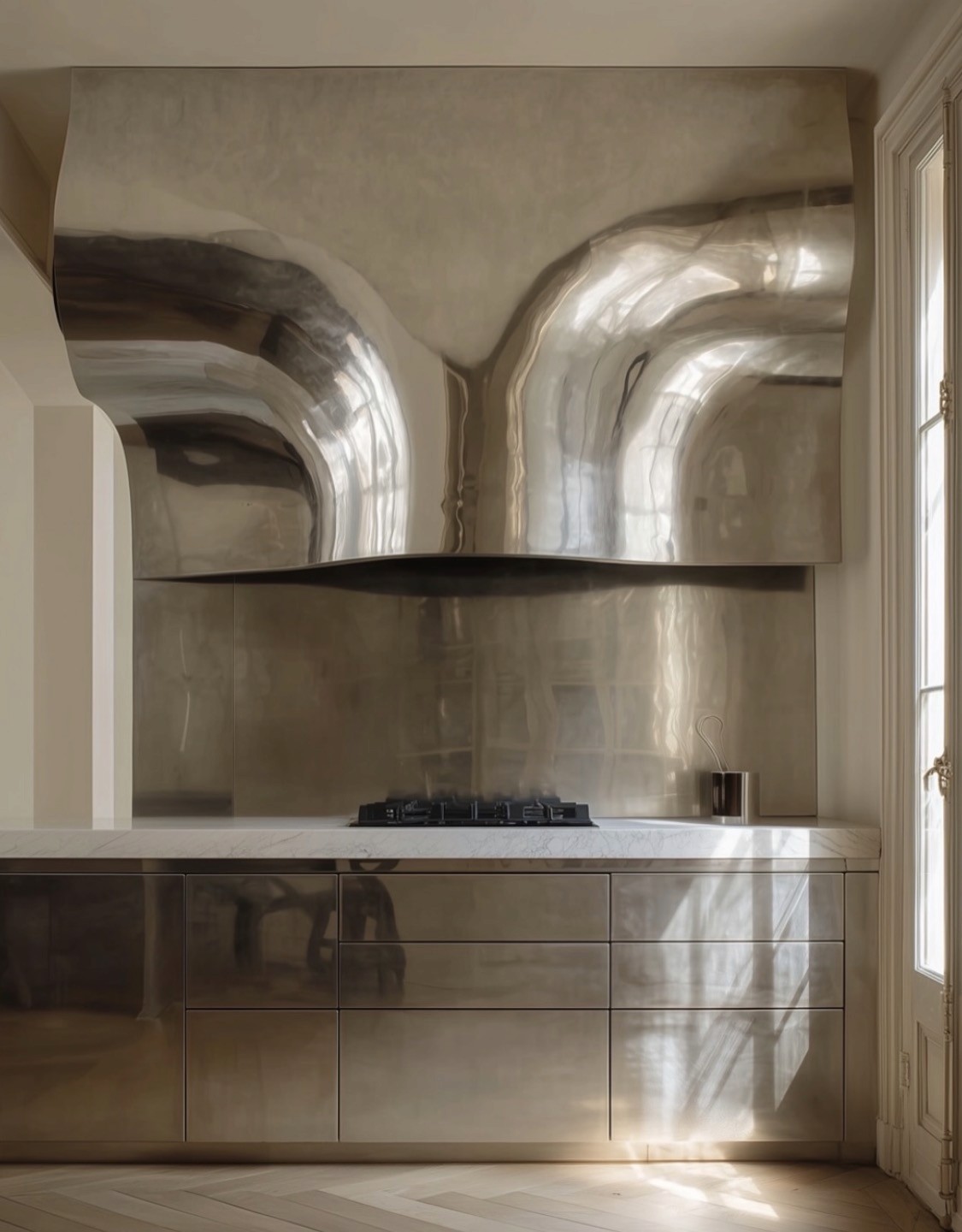
AoD: There’s a fine line between truly personal spaces and homes that feel designed for the algorithm. In your opinion, what separates a space with real soul from one that’s simply well-staged for Instagram?
Trenton: A space with soul usually has a bit of friction to it. It’s not overly polished, and it doesn’t feel like every element was chosen for a photograph. Real spaces reveal the lives happening inside them — books that have been read, objects collected over time, furniture that has been moved and rearranged. There’s a sense of history and personality. Spaces designed for the algorithm tend to feel more uniform. They’re often visually perfect but emotionally quiet. The difference is subtle, but you can feel it immediately.
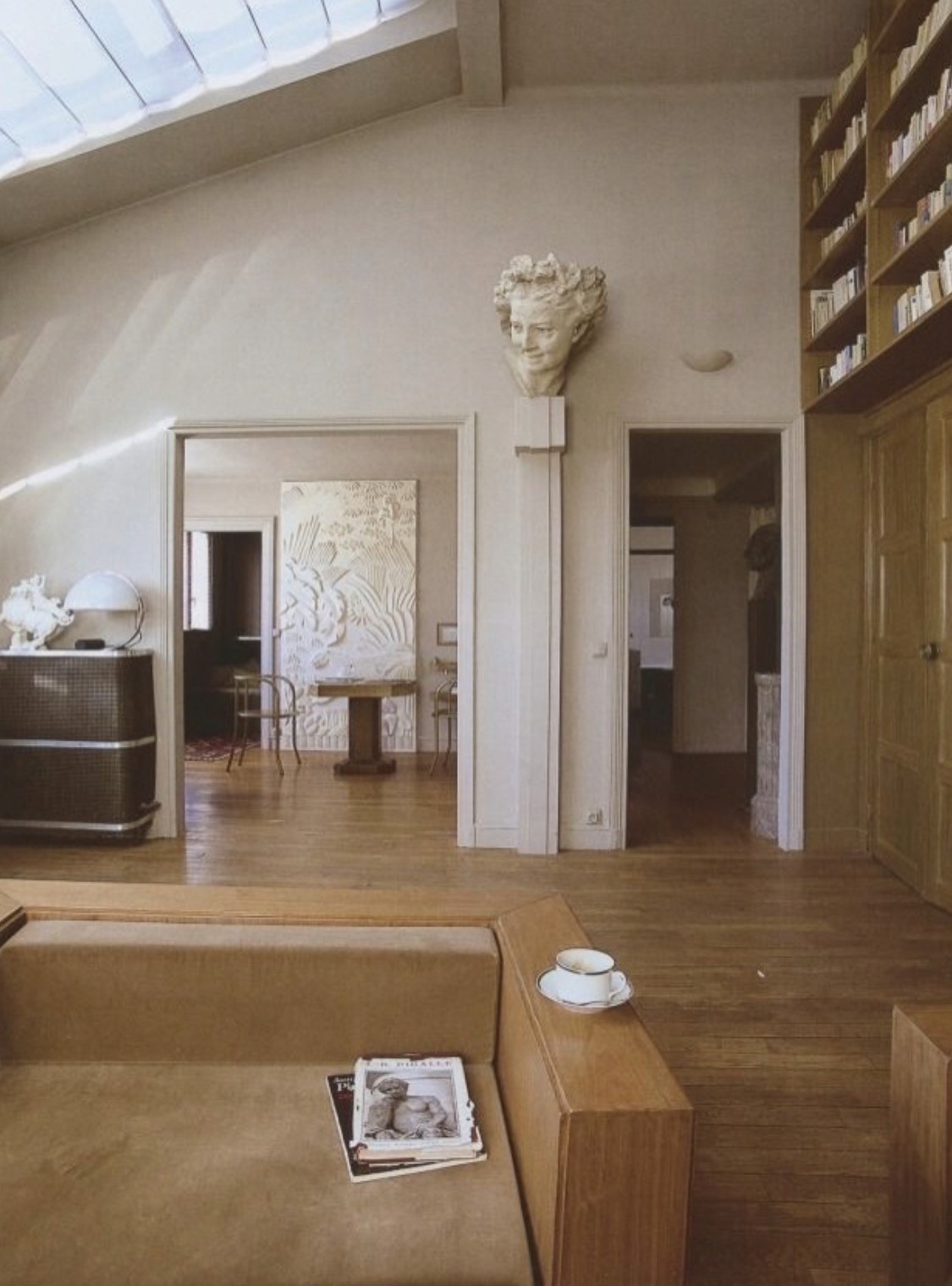
Through Spaces of My Dreams, Pardue continues to remind us that the most compelling interiors aren’t just visually striking, they’re deeply felt.
PHOTOGRAPHY
Interior Image 1
Ignacio Ortega
Interior Image 2
William Jess Laird (Photo), Sebastian Zuchowicki (Design)
Interior Image 3
Spaces For Sale, Fantastic Frank CDMX
PHOTOGRAPHY
Interior Image 5
Studio Manifold, Traianos Pakioufakis (Photo)
Interior Image 6
BettenCourt Manor
Interior Image 7
World of Interiors Archive, Roland Beaufre (Photo)