Clothing is Lived Data
Colin Behr
Interview By: Jamin McBain
January 2026
In conversation with Colin Behr, we explore how what we wear becomes an archive of experience, emotion, and identity.
Behr invites us to consider garments as texts and narratives shaped by history, context, and intention. He challenges us to read style as both inward reflection and outward discourse. Here, fashion is not just worn; it is lived, learned, and continually reinterpreted.

AoD: As a designer, artist, and systems-thinker, how do the analytical, aesthetic, and practical modes of thought inform and challenge each other within your multi-disciplinary practice?
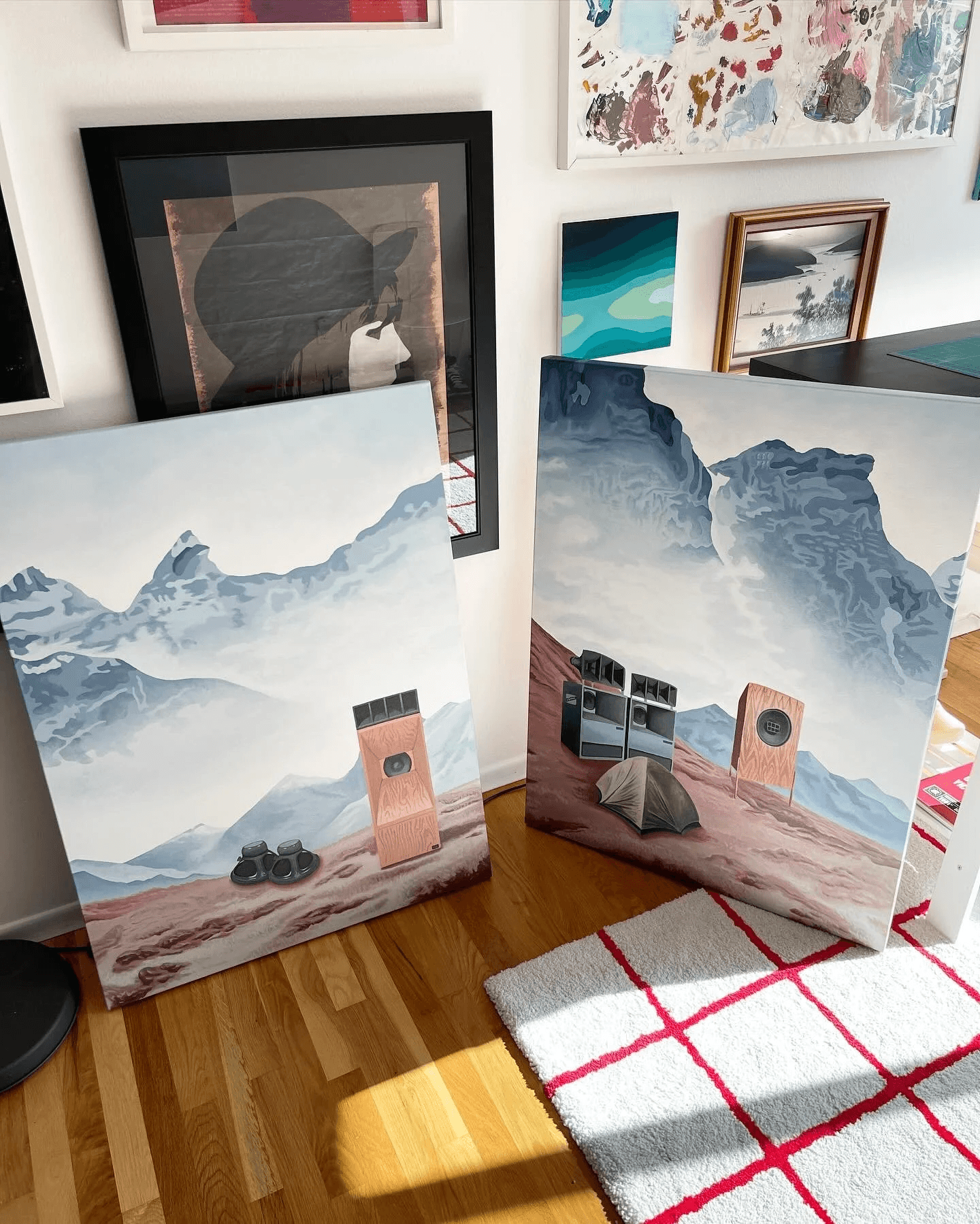
Behr: My work lives in the tension of these. It’s a culmination of my training and life experiences. Aesthetics drove my youth: drawing, painting, and making. In high school I took drafting classes, and spent two years interning at an architecture firm, where I was focused on the analytical. When I began my industrial design degree and apparel design degree, it forced me to focus on the human. Everyday objects that we interact with have to be practical, otherwise people won’t use them. My super power is finding the areas where these three harmonize together.
AoD: With the anticipated relaunch of gōmbehr studios, what is the core intention or philosophical shift guiding this next chapter? Will this mean a refinement of your focus on "long-term world-building" or a move into new creative territory?
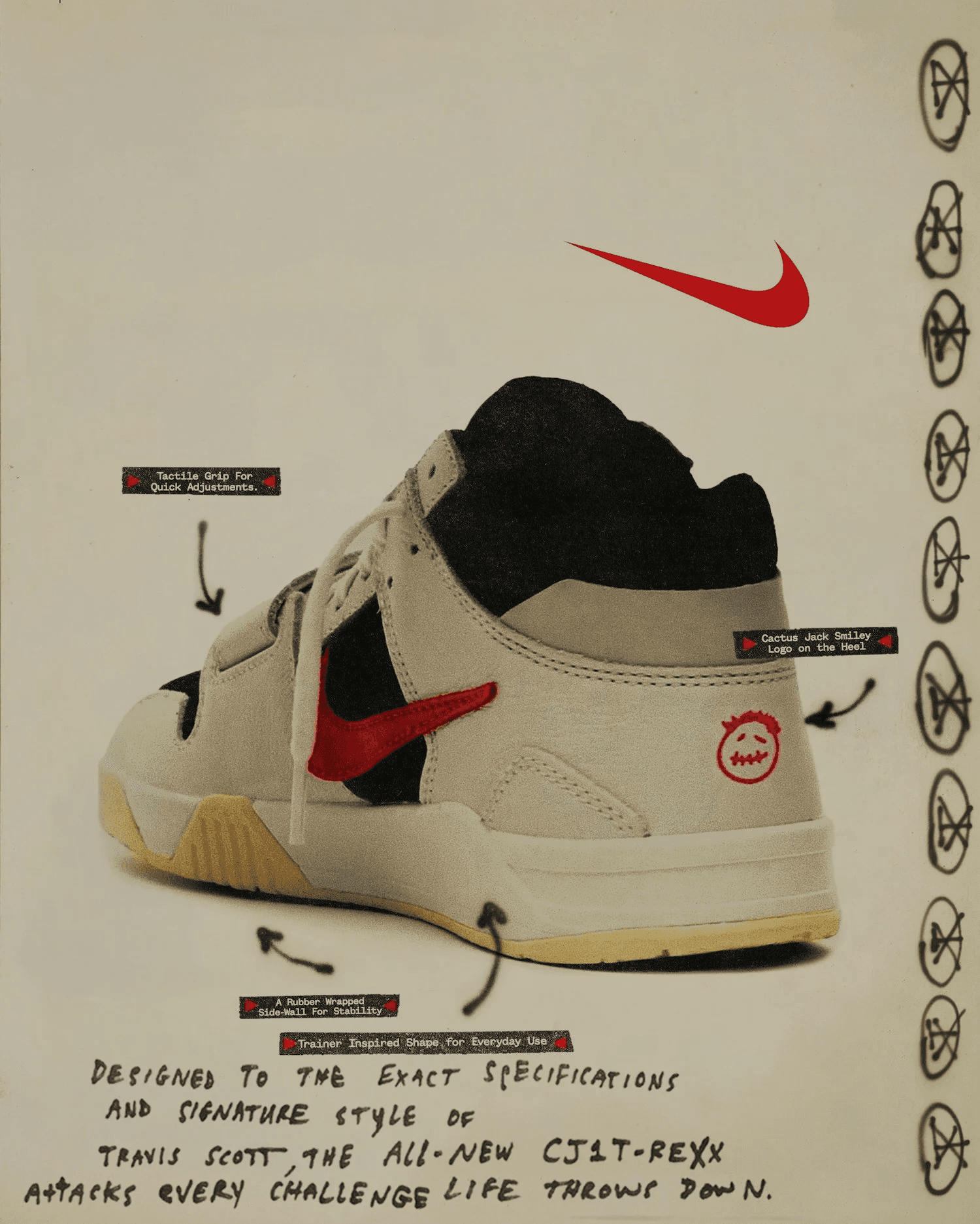
Behr: Gōmbehr Studios (GBS) started as a playground for my wife and I to do projects outside of our footwear careers, focused on fun, not profit. The re-launch comes at a time where our lives look completely different–it is my main source of income now. GBS has taken shape as my own design studio and consultancy. This year was about securing contracts and getting after actual work. I’m designing footwear for a couple different global brands, and also designing material concepts and seasonal catalogs for an international footwear component vendor to help push their capabilities and design prowess forward.
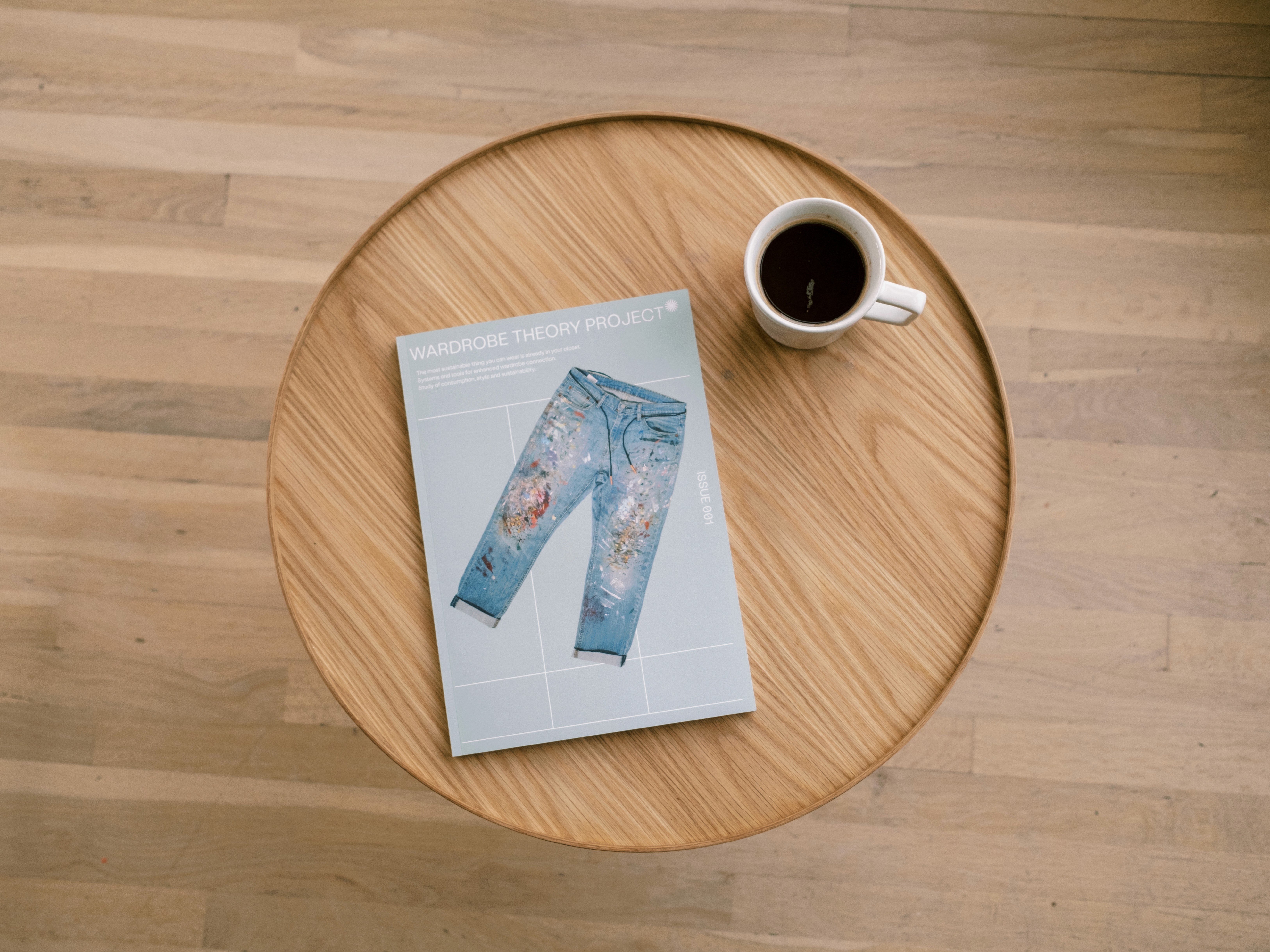
AoD: What core realization or frustration led you to create Wardrobe Theory Project (WTP), and what is the most surprising insight you've collected from analyzing a personal wardrobe so far?
Behr: WTP came out of a quiet frustration rather than a dramatic one. After years of working inside large brands, I realized we were incredibly good at talking about products, but we rarely stopped to understand the relationships people actually have with the objects they keep. The industry is built to measure what sells, not what stays. The most surprising insight from analyzing personal wardrobes is that people don’t keep clothes because they’re “good” or “timeless” in the traditional sense. They keep them because the garment became useful at the right moment in their life.

AoD: You view clothing as "data." What kind of cultural, economic, or psychological information can a well-documented garment or a complete personal wardrobe reveal?
Behr: A garment holds information about how someone moves through the world. How often it’s worn, repaired, altered, or kept tells you far more than a trend forecast ever could. Clothing is lived data, not abstract data. Culturally, clothing is a form of communication. You can see economic behavior in repetition. People don’t wear their most expensive clothes the most–they wear what works. Psychologically, we can extrapolate identity, evolution, anxiety, confidence and aspiration. There’s a psychological honesty in wear patterns. The clothes we reach for on difficult days reveal more about us than the ones we save for special occasions.
PRODUCTION
Photography
Dreu Suarez
Additional Imagery
Colin Behr